
Culture of Jammu & Kashmir
Languages of Jammu & Kashmir
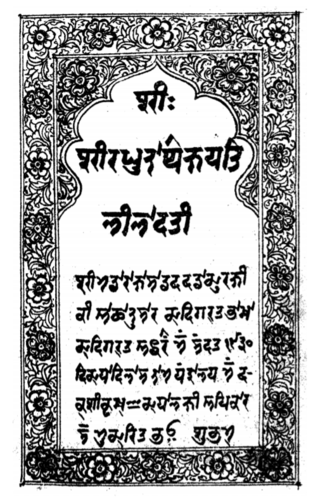
The linguistic landscape of Kashmir is enriched by the historical significance and evolution of languages like Urdu and Dogri. Urdu, a language with roots in Persian and Arabic, holds a special place in the cultural heritage of Jammu and Kashmir. It emerged as a lingua franca during the Mughal era, blending elements of Persian, Arabic, and local dialects. Over time, Urdu became a symbol of literary expression and cultural identity for the people of Kashmir.
Dogri, on the other hand, has its origins in the Indo-Aryan languages and is closely related to Punjabi. It developed as a distinct language in the Duggar region, historically known as Duggar Desh, which comprises parts of present-day Jammu and Kashmir. The history of Dogri literature dates back centuries, with influences from the Bhakti and Sufi movements, as well as regional folklore and traditions.
Both Urdu and Dogri have played significant roles in shaping the cultural and literary landscape of Jammu and Kashmir. Urdu, with its poetic tradition and rich literary heritage, has been instrumental in fostering a sense of unity among diverse communities. Dogri, with its vibrant oral traditions and literary works, reflects the unique identity and heritage of the Dogra people.
Despite the challenges and changes brought about by modernization, Urdu and Dogri continue to thrive as languages of cultural expression and identity in Jammu and Kashmir. Their history is a testament to the resilience and richness of the region's linguistic heritage, reflecting the tapestry of cultures and influences that have shaped Kashmiri society over the centuries.
Costumes of Jammu & Kashmir
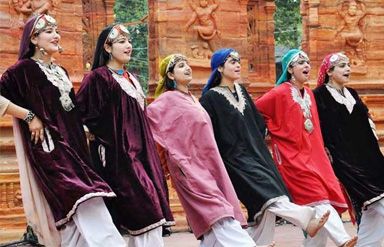
The costumes of Kashmir are world-renowned for their intricate style, vibrant colors, and exquisite embroidery, which serve as a testament to the rich cultural heritage of the region. Each costume reflects not only the aesthetic sensibilities but also the socio-cultural nuances of Kashmiri society.
One of the most iconic traditional garments of Kashmir is the Pheran, a loose, long-sleeved robe worn by both men and women. The Pheran, adorned with elaborate embroidery and colorful patterns, serves as a symbol of Kashmiri identity and resilience in the face of harsh winters.
For women, the traditional dress also includes the Pashmina shawl, renowned for its softness and luxurious texture. These shawls, intricately woven with delicate motifs such as paisleys and floral designs, are prized possessions passed down through generations.
Cuisines in Jammu & Kashmir
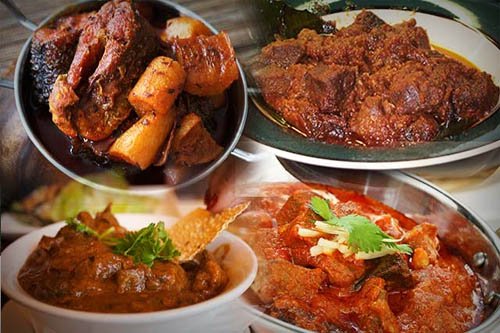
Kashmiri cuisine is renowned for its rich flavors, aromatic spices, and unique cooking techniques that reflect a blend of Mughal, Muslim, and Kashmiri Pandit culinary traditions. With a focus on slow-cooked meat dishes infused with a myriad of spices, Kashmiri cuisine offers a tantalizing culinary journey.
Signature dishes such as Rogan Josh, a flavorful lamb curry cooked in aromatic spices like fennel, cardamom, and Kashmiri red chili, exemplify the richness and complexity of Kashmiri flavors. Another classic dish, Wazwan, is a grand feast comprising multiple courses of meat delicacies, each prepared with meticulous attention to detail.
Music and Dances of Jammu & Kashmir
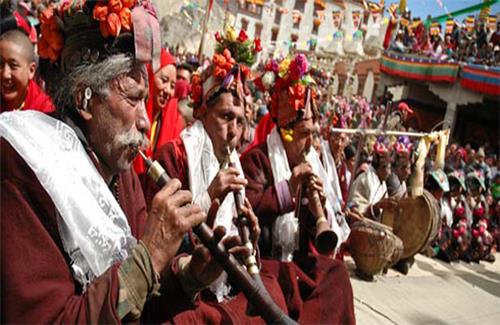
Kashmir has its unique style of music and dance performances. Dance and Music is an inseparable part of all festivals and fairs in this region. Mask Dance is one of the famous dance forms in Kashmir, where performers wear intricate masks and costumes depicting various characters from mythology and folklore.
Furthermore, the region is known for its vibrant folk music traditions, with instruments like the rabab, santoor, and tumbaknari lending a distinct flavor to Kashmiri musical performances. These cultural expressions serve as a bridge between the past and present, preserving the rich heritage of Kashmiri music and dance for generations to come.